
How to Replace an Electricity Meter Enclosure
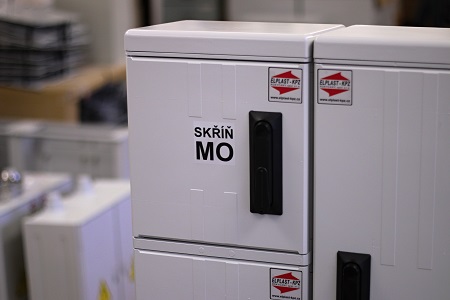
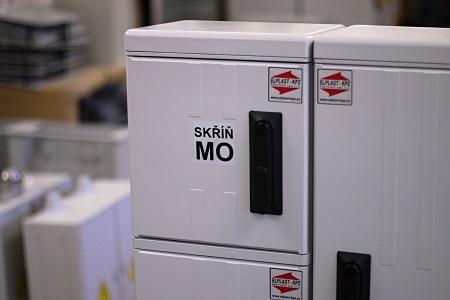 In practice, there are situations when an electricity meter enclosure needs to be replaced. There can be many reasons, from inadequate technical capacity—for example, when connecting a photovoltaic system—to operational safety concerns or reconnecting a point of consumption. Whatever the reason the enclosure no longer meets requirements, the replacement must be handled correctly.
Replacing an electricity meter enclosure always requires the access, knowledge and qualifications of a professional. We have prepared an overview of the key steps to follow when replacing an enclosure.
What needs to be done:
- Check the available supply capacity – especially in older buildings, check whether you need to apply for an increase in capacity by raising the rated current of the main circuit breaker. If so, submit a request to your electricity supplier.
- Notify the distributor before replacing the enclosure and breaking the seals – replacing a meter enclosure requires the seals to be removed. You must notify the distribution system operator in advance. A seal that prevents access to the inside of the meter enclosure must not be broken without authorisation. You can also submit the notification online.
- Choose a new electricity meter enclosure – make sure it meets the requirements of the point of consumption. For example, a photovoltaic system may have been added since the previous enclosure was installed.
- After removing the original equipment and, where necessary, removing the frames and doors, you may need to install new wiring in the building, for example to individual apartments, to meet the requirements of the new connection.
- Once installation is complete and the meter and other required equipment have been fitted, a qualified professional must carry out an inspection and send the documentation to the distributor. The distributor will arrange for the enclosure to be sealed and, where applicable, for the meter to be installed.
Why might an electricity meter enclosure need to be replaced? Reasons include increasing energy demands, safety, age or preparing a point of consumption for a photovoltaic system. We covered this topic in more detail in our previous article.