
Smart Meters and Interval Metering
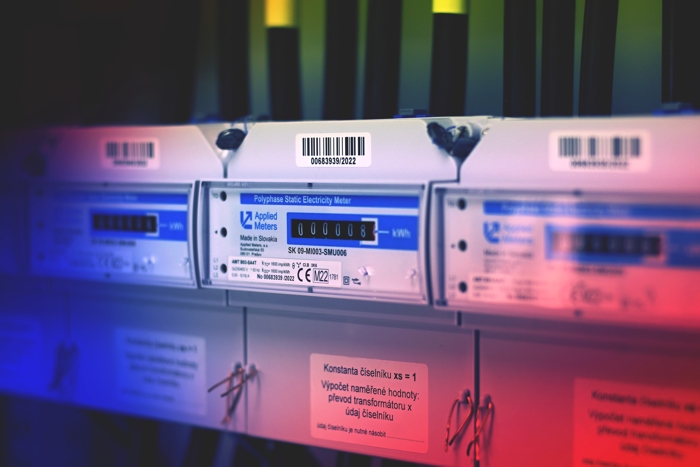
Discover how modern smart meters and interval metering support renewable energy, electricity sharing and more flexible energy management.
Flexible electricity consumption management is becoming increasingly important. Modern meters help optimise electricity use, support the integration of renewable sources and enable new approaches such as interval metering and electricity sharing.
What is interval metering?
Interval metering records electricity consumption at regular intervals, most commonly every 15 minutes. Unlike traditional meters, which provide only a cumulative reading over a longer period, interval metering provides detailed data that enables:
- Optimisation of distribution network operation.
- Introduction of dynamic tariffs.
- Greater use of renewable energy sources.
Electricity sharing and why it matters
Electricity sharing is an emerging approach that allows individuals and communities to make better use of surplus energy from their own sources, such as photovoltaic systems. Interval metering is essential because it provides accurate data on the amount of electricity generated, consumed and shared.
Key benefits of electricity sharing:
- Efficient use of surplus energy: excess electricity can be directed to other community members.
- Lower costs: participants can reduce the amount of electricity they draw from the distribution network.
- Greater sustainability: sharing helps reduce the overall energy burden and supports decentralised generation.
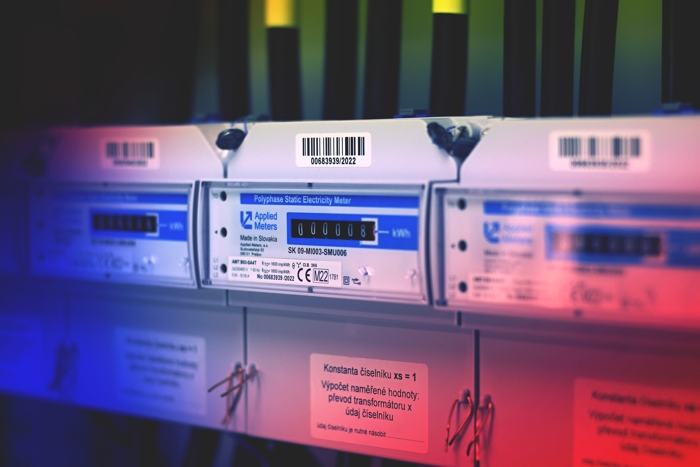
Meter cabinets for electricity sharing
Distribution companies have recently updated their requirements for preparing a supply point for electricity sharing. These changes mainly affect supply points moving to Type B interval metering. The new technical conditions simplify meter cabinet requirements, but the main requirement remains a cabinet design without a cover panel over the meter. The changes are intended to make the transition to interval metering easier and encourage electricity sharing. When planning modifications, follow the technical specifications for meter cabinets to ensure the system operates correctly and the meter controls remain accessible.
Wiring meter cabinets for electricity sharing has specific requirements, particularly when converting from non-interval metering. The installation must include a temporary wiring arrangement that keeps the existing meter operational while also providing preparation for an interval meter.
Read more about the updated requirements for meter cabinets used for electricity sharing here.
Interested in an electricity meter cabinet for electricity sharing?
Contact us or complete our enquiry form.
Modern electricity meters and their role
Modern meters with interval metering and two-way communication capabilities enable the technical implementation of electricity sharing. They monitor energy flows in real time and ensure fair allocation among participants.
Meters are therefore no longer passive measuring devices. They are active elements of energy infrastructure that support innovative energy solutions. Manufacturers of metering equipment have an opportunity to contribute to the development of these technologies and a more sustainable future.