
How Is Electricity Consumption at Charging Stations Metered?
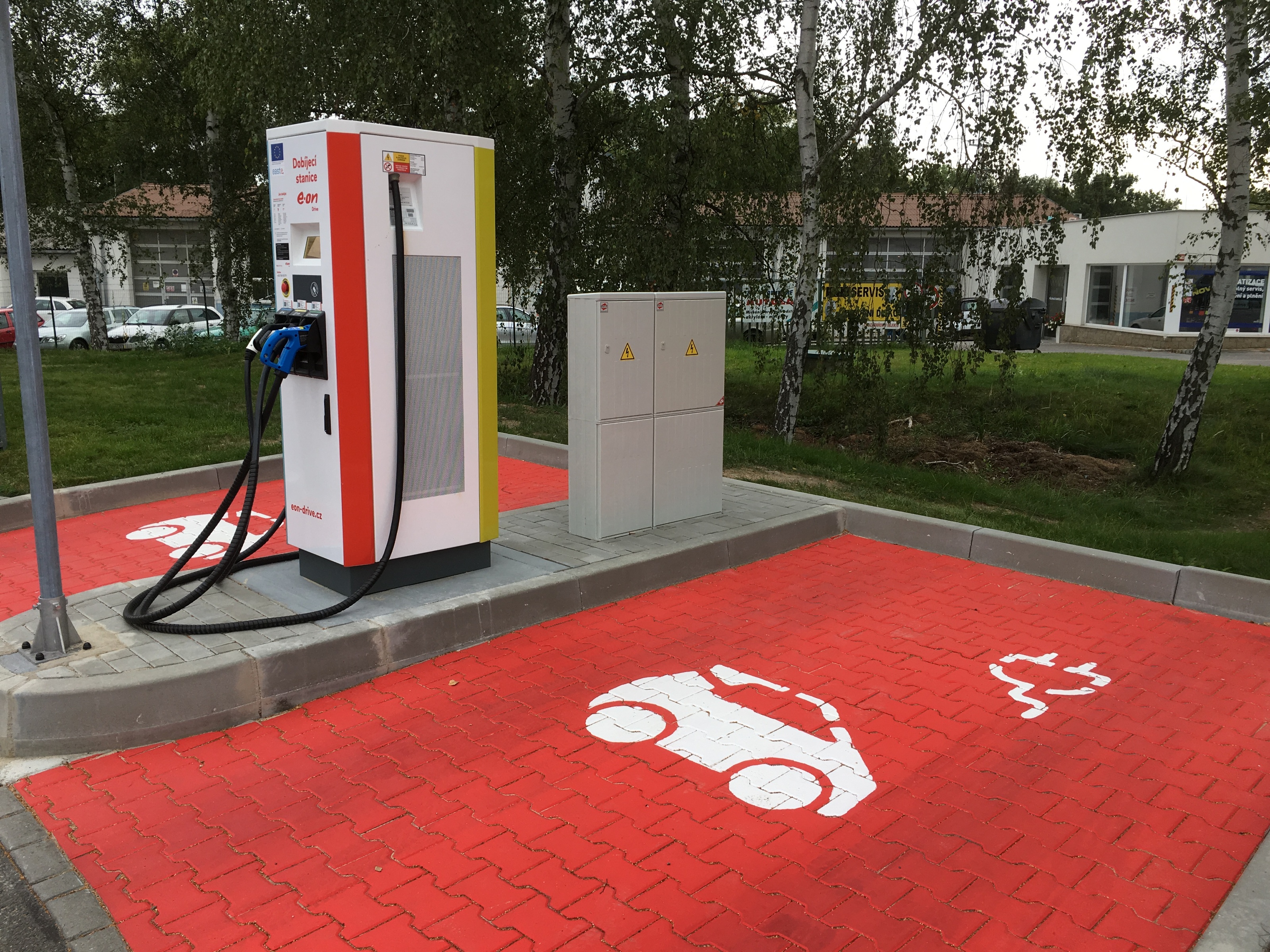
Learn how metering requirements differ for private and business charging stations, and which tariffs apply to standard and fast charging.
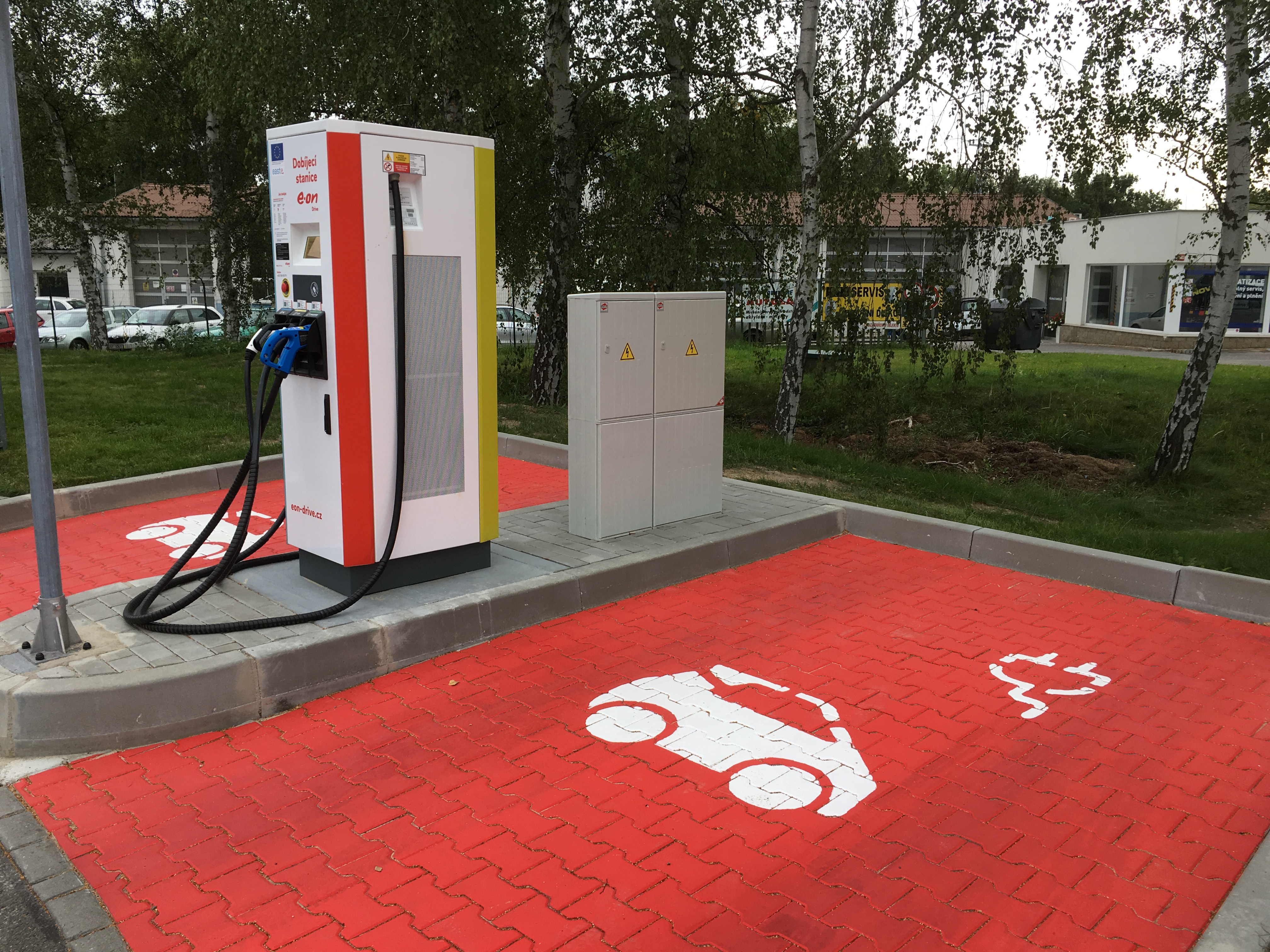
When planning a new electricity connection for a charging station, consider the following:
- Will it be a standard or a fast charging station?
- Is the electricity customer a private individual or a business?
- Will the investor require tariff D27d or C27d, designed to support e-mobility?
1. Standard or fast charging station
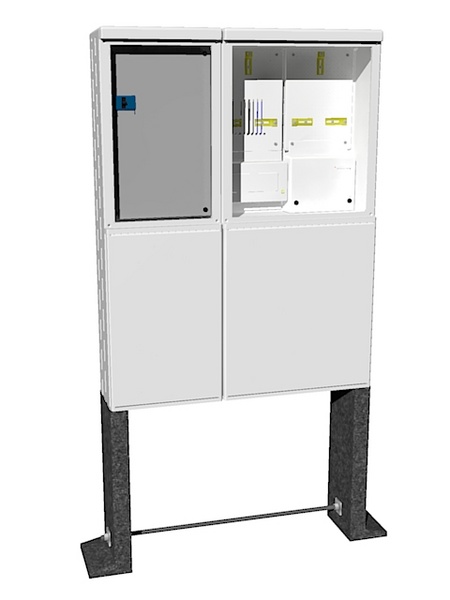 For a standard charging station, a direct-metering cabinet will be sufficient. A fast charging station, however, requires indirect (semi-indirect) metering. This allows currents above 80 A, or 100 A respectively, to be measured.
2. Private customer or business
If the customer is a private individual, no special measures are required. One metering point can serve both the household’s normal consumption and the charging station. The charging station does not have to be blocked from operating outside the low tariff.
If the customer is a business, the requirements for the supply point must be taken into account, especially if the customer requests the discounted C27d tariff. This brings us to the third consideration.
3. E-mobility tariff eligibility
Support for e-mobility from the Energy Regulatory Office and distribution companies such as ČEZ, E.ON and PRE is based on storage tariffs. These provide eight hours of discounted off-peak electricity per day, during the night.
- Tariff D27d – a distribution tariff for private customers with an e-mobility discount
- Tariff C27d – a distribution tariff for businesses with an e-mobility discount
If you are a private customer and want the discounted e-mobility tariff (D27d), simply apply for it. You only need to provide proof that you own or use an electric vehicle. One metering point can serve both household consumption and the charging station, and the station does not need to be blocked to operate only during the off-peak tariff (it can run 24 hours a day).
If a business customer requests the e-mobility tariff C27d, the charging station’s consumption must be metered separately. This requires two supply points: one for normal consumption and one for the charging station. If the business does not request the discounted C27d tariff, it can operate the charging station from a standard supply point. Separate metering has also been required for heat-pump tariffs.
Always consult a representative of the distribution company when planning and designing a new connection. Our range includes meter cabinets for all types of charging station connections. We are ready to help you choose the right one.
Check the specific requirements
In either case, bear in mind that a standard cabinet may not be suitable when applying for a discounted tariff. Not all specific requirements have yet been incorporated into the connection conditions of each distribution company. For example, PRE Distribuce has a specific requirement for the position (crossbar) for the HDO receiver when applying for tariff D27d or C27d. For standard two-tariff metering in the PRE Distribuce network, one crossbar for a meter with a built-in HDO receiver is sufficient.
| Private individual | Business | ||||
| combined consumption | separate consumption | combined consumption | separate consumption | ||
| Standard tariff | standard station | all PER | PER combination | all PER | PER combination |
| fast charging | all PERP | PER and PERP combination | all PERP | PER and PERP combination | |
| Tariff D27d | standard station | two-tariff PER 2 | PER 2 combination | - | - |
| fast charging | all PERP | PER 2 and PERP combination | - | - | |
| Tariff C27d | standard station | - | - | - | PER 2 combination |
| fast charging | - | - | - | PER 2 and PERP combination | |