
Preparing Your Home for Electric Vehicle Charging
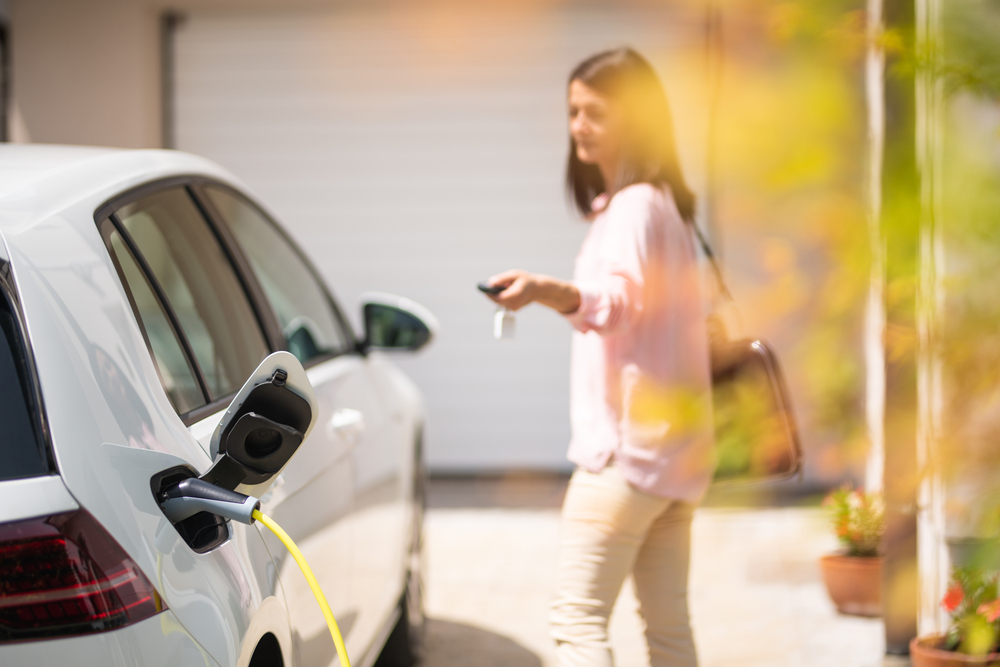
Plan your home charging setup around the supply, main circuit breaker, charging equipment and a convenient, accessible location.
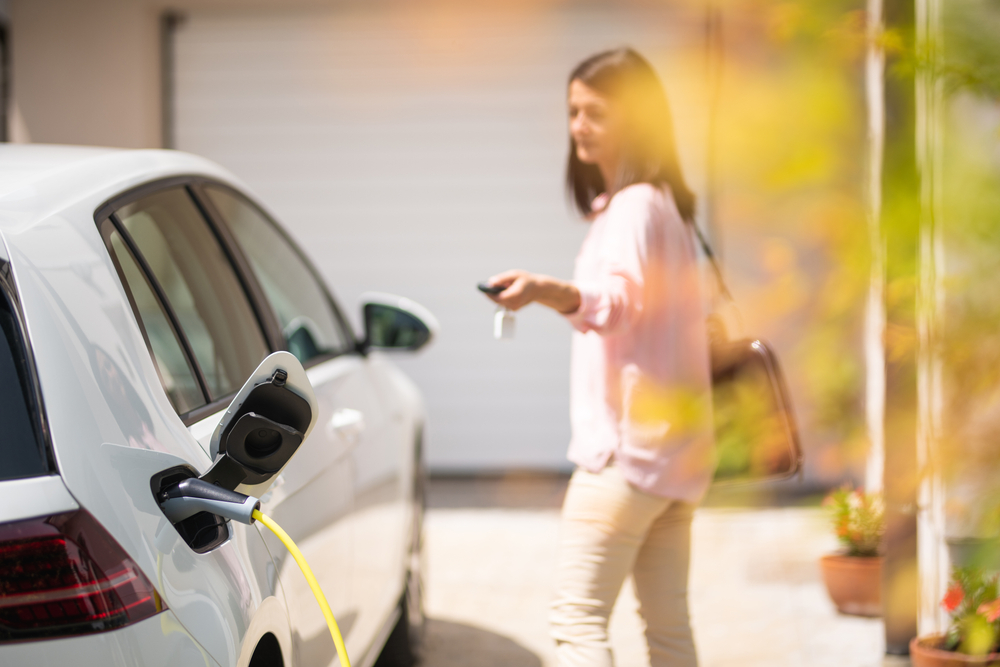
Do you own an electric vehicle and are considering a home charging station? You are thinking in the right direction. A home charger is about more than convenience: it can improve efficiency and help you get the most out of electric mobility.
Keep your car ready for your next journey or adventure, whenever you need it, without waiting at a public charging point. In this article, we explain how to get started.
Home charging is convenient and saves time
A home charging station is a worthwhile investment for electric vehicle owners, with benefits including:
- Convenience: Start charging as soon as you get home from work, a trip or a shopping run. Nothing beats getting into a fully charged car every morning.
- Speed: Your electric vehicle can charge quickly, especially with a three-phase supply. You also save time by avoiding trips to public charging points.
- Lower costs: Special tariffs with lower electricity prices can help you save significantly.
- Full control over charging: You can see when and how quickly your car is charging, and may also be able to use a range of smart features.
Would you like to learn more about how electricity consumption is measured at EV charging stations? Read our article for all the key information.
Setting up a home charging station
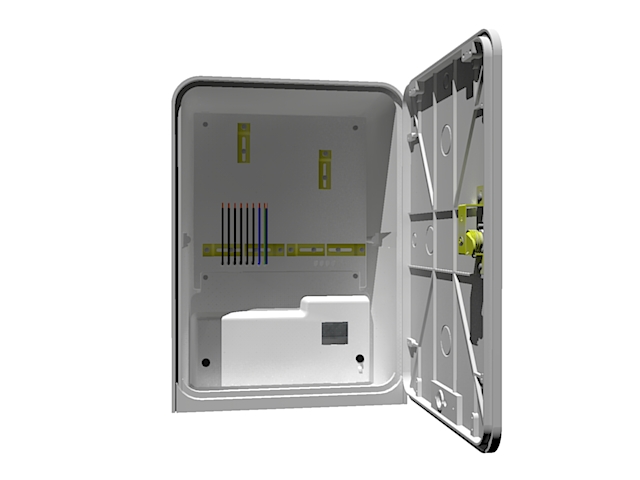
If you decide to charge your vehicle at home, you will need to install a dedicated charging station or use a high-power socket connected to a three-phase electrical supply.
A socket like this has several advantages, including fast charging. Installing a supply is also straightforward and relatively inexpensive. Here are the steps involved.
Never overlook the main circuit breaker
First, check whether your home has a three-phase electrical connection. Most newly built homes do. If yours does not, contact your electricity supplier to arrange the installation of a three-phase connection.
Make sure the rated current of your main circuit breaker is higher than the rating of the charging station’s protection. That alone is not enough. Other appliances may be running while your vehicle is charging, so leave enough capacity to avoid overloading the network, tripping a breaker or causing a short circuit.
The next step is to install the charging station itself and a three-phase electricity meter needed to measure consumption correctly. Then choose the most suitable location for the equipment.
The ideal location for a home charging station
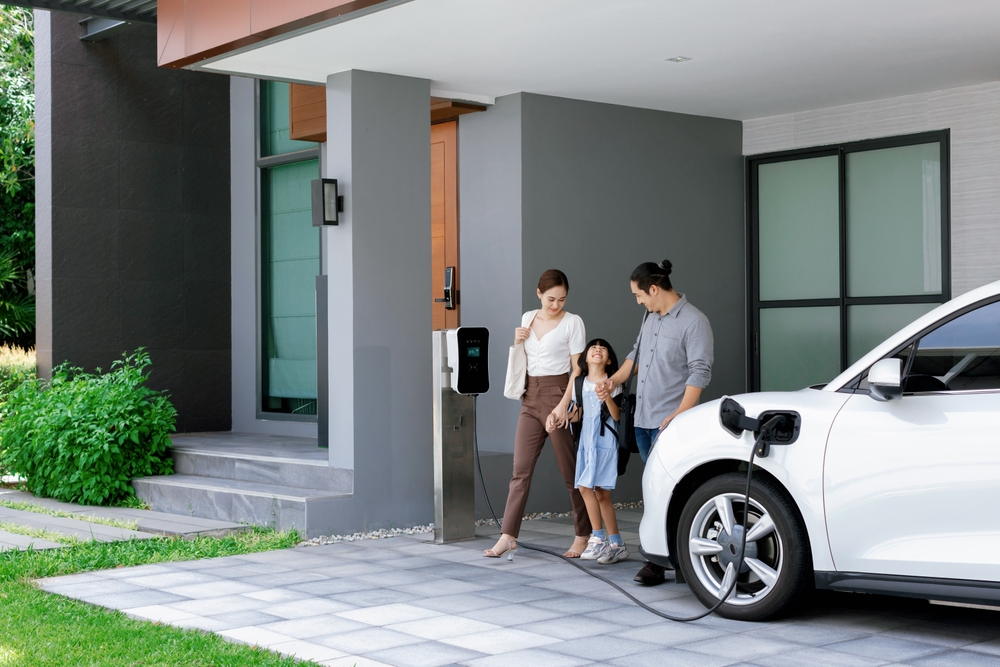
Ideally, place the station close to both the three-phase electrical connection and the place where you park. Make sure it is accessible and that there is enough room to use it comfortably.
The cable length also matters, so you can charge the car regardless of which way it is parked.
Most devices are weather-resistant, including against rain and sunlight. Even so, consider installing the equipment in a garage, especially if you live in an area with extreme weather. The station must never block a pavement, driveway or any other passage.
Make the move to electric mobility
A home charging station brings you closer to greater independence, convenience, efficiency and sustainability. Improve convenience and charging speed, and make the most of electric mobility.