
The Future of Smart Grids
What are smart grids?
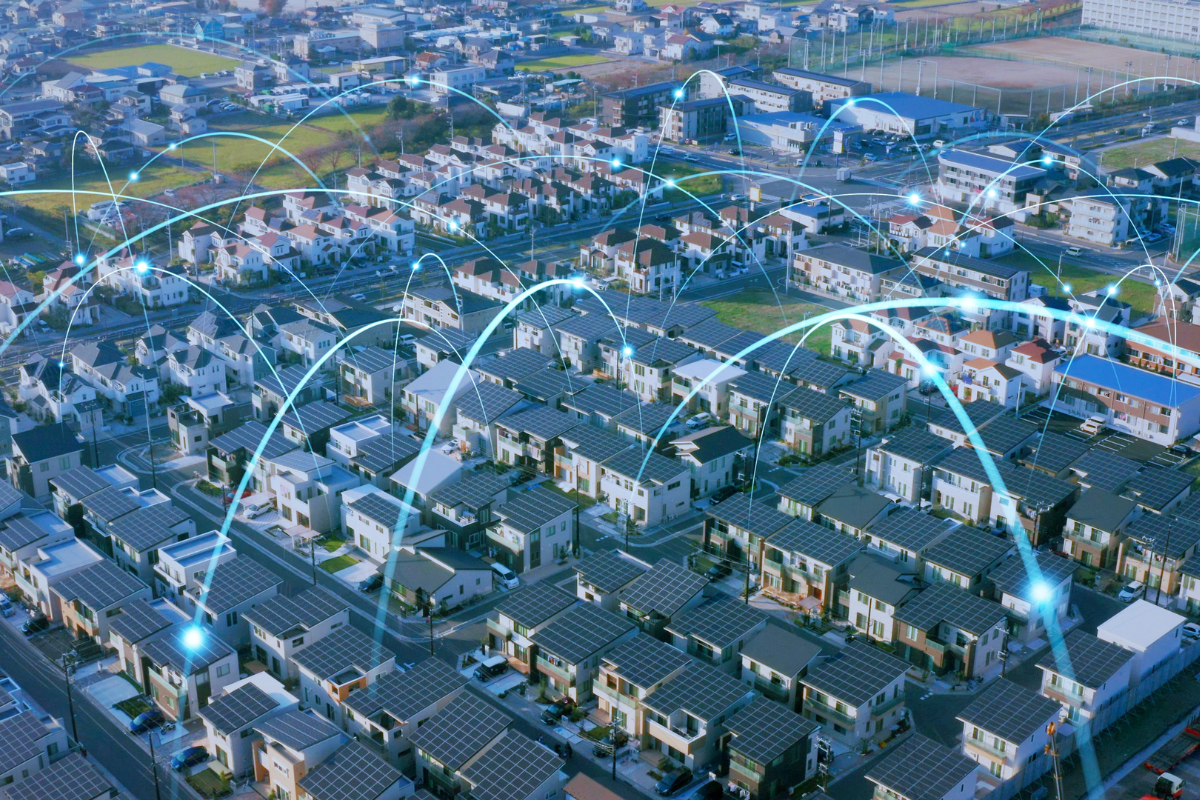
Smart grids are distribution networks based on fully automated digital control. Their defining feature is two-way communication between generators, the distribution network and individual consumers. This allows the network to make greater use of decentralised alternative energy sources, which society is increasingly turning to despite their variable and less predictable output.
Smart Grid technology connects systems with intelligent algorithms, helping data to be collected and transmitted more efficiently. In the Czech Republic, the future of smart grids can be seen above all in infrastructure that is more modern and better designed.
 Who can benefit from them?
In practice, anyone who comes into contact with them. Distributors and manufacturers of electricity meter enclosures, distribution cable enclosures and service connection enclosures, like us, can see smart grids as a new way to innovate and keep up with the times. Consumers will be able to see how the infrastructure is changing to support more efficient operation and lower costs.
Why we see the future in smart grids
Balancing energy supply and demand
Balancing generation and consumption in real time is a daily challenge in energy distribution. Smart grids can help you reduce the risk of transmission losses while improving the quality of supply. Smart Grid technology takes local energy sources into account to optimise the balance.
Network monitoring
One of the greatest advantages of smart grids is autonomous control of low- and high-voltage networks. What does this mean for you? Faults can be located promptly when the electricity supply is interrupted, and a control system can quickly recommend how to minimise the extent of the outage.
Integrating local energy sources
Using a larger number of smaller local energy sources may sound far-fetched with conventional networks. With smart grids, however, it can be done easily without unnecessarily overloading the transmission system. For you, that means a safer and more reliable electricity supply.
Optimising energy consumption
Uncontrolled energy consumption is becoming a thing of the past. Smart grids let consumers monitor patterns in their energy consumption and optimise it in good time. This makes it easier to choose the right tariff and keep costs under control, avoiding both unexpectedly high bills and unnecessarily large monthly advance payments. When needed, a control system can also help plan consumption.
Smart grids can succeed only if:
- You invest in modernising the infrastructure and create the right conditions for smart grids to be implemented properly. Old, outdated solutions may not be compatible with new networks, undermining your efforts.
- You have legislative support from the government. Without a legal framework, it is difficult to support and develop smart grids. You need up-to-date information about relevant standards, regulations and grants.
- You have clearly defined cooperation between manufacturers, service providers and the government, so that the network modernisation process runs smoothly and avoidable delays do not lead to penalties.
Smart grids have the potential to radically change the electrical engineering industry in the Czech Republic. With appropriate investment and support, Smart Grid technology can play a key role in shaping modern, sustainable electrical infrastructure. It is up to you whether you want to take an active part in this change.