
Sustainability of SMC Enclosures
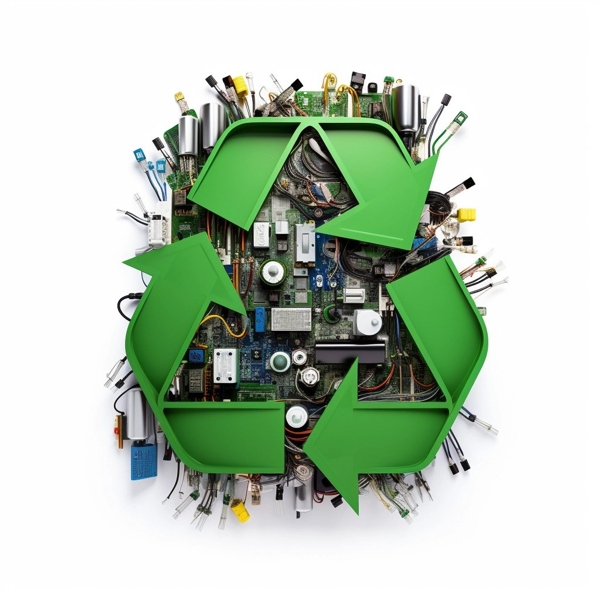
How SMC composite enclosures support sustainability through efficient manufacturing, long service life and responsible end-of-life handling.
In recent years, sustainability and environmental responsibility have become key considerations in many industries, including electrical installation. One material receiving increased attention for its potential to reduce environmental impacts is SMC (Sheet Molding Compound). This article explores the sustainability of plastic enclosures made from SMC, including their manufacture, use and disposal.
Manufacturing SMC enclosures
Manufacturing composite enclosures from SMC offers several sustainability benefits:
- Material efficiency: SMC can be moulded into complex shapes with minimal material waste. Glass fibres and resin are carefully mixed and pressed into the required forms, reducing offcuts and losses.
- Reduced weight: SMC composite enclosures are lighter than metal alternatives. This reduces the energy required to manufacture and transport them.
- Lower processing energy: Compared with some other materials, such as steel, manufacturing SMC requires less energy.
Using polyester SMC composite enclosures
During operation, SMC composite enclosures offer several sustainability advantages:
- Corrosion resistance: SMC resists corrosion, reducing maintenance needs and extending enclosure service life.
- Insulating properties: Polyester SMC enclosures are often used in electrical applications because of their good insulating properties, which contribute to safety and help minimise energy losses.
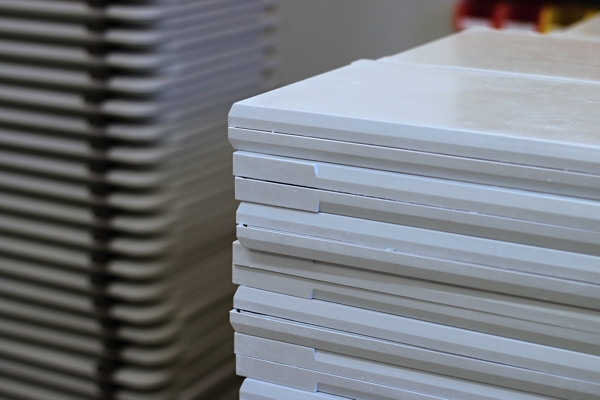
Comparison with alternative materials
Compared with metal enclosures such as steel and with other plastics, SMC often offers sustainability advantages. Its low weight, corrosion resistance and insulating properties help reduce environmental impact across the product life cycle.
Disposal and recycling
 At the end of an SMC enclosure’s service life, there are ways to minimise its environmental impact:
- Recycling: SMC can be recycled, allowing material from discarded enclosures to be reused in new products.
- Proper disposal: Enclosures should be disposed of correctly to minimise negative environmental impacts. Recycling or energy recovery are suitable options.
Elplast - KPZ Rokycany, spol. s r. o. participates in the ASEKOL collective take-back system for electrical equipment. ASEKOL arranges collection and environmentally sound processing of end-of-life electrical equipment and guarantees the quality of its environmentally responsible handling.
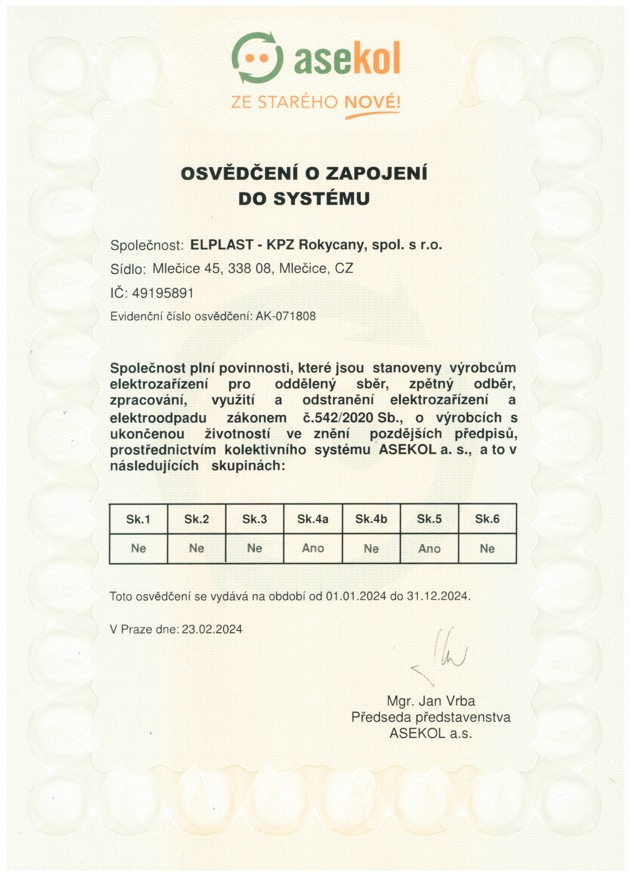
At the end of its service life or if damaged, an enclosure can be handed in free of charge at a collection yard or one of more than 1,200 collection points across the Czech Republic. Find a collection point here.
SMC plastic enclosures are an attractive sustainable choice. Their material efficiency, low weight and long service life help reduce environmental impact. Proper disposal and recycling are also important for minimising harm to the environment. SMC enclosures are one way to support an energy-efficient and sustainable future for electrical installations.